Ambient‑temperature display cases are core commercial display equipment for bakeries, supermarket bakery sections, and dessert shops. Unlike refrigerated or heated display cabinets, they rely on natural ventilation alongside constant‑temperature, constant‑humidity, and oxygen‑control structures to showcase, preserve, and display baked goods such as bread, pastries, toast, and artisanal loaves under room‑temperature conditions.
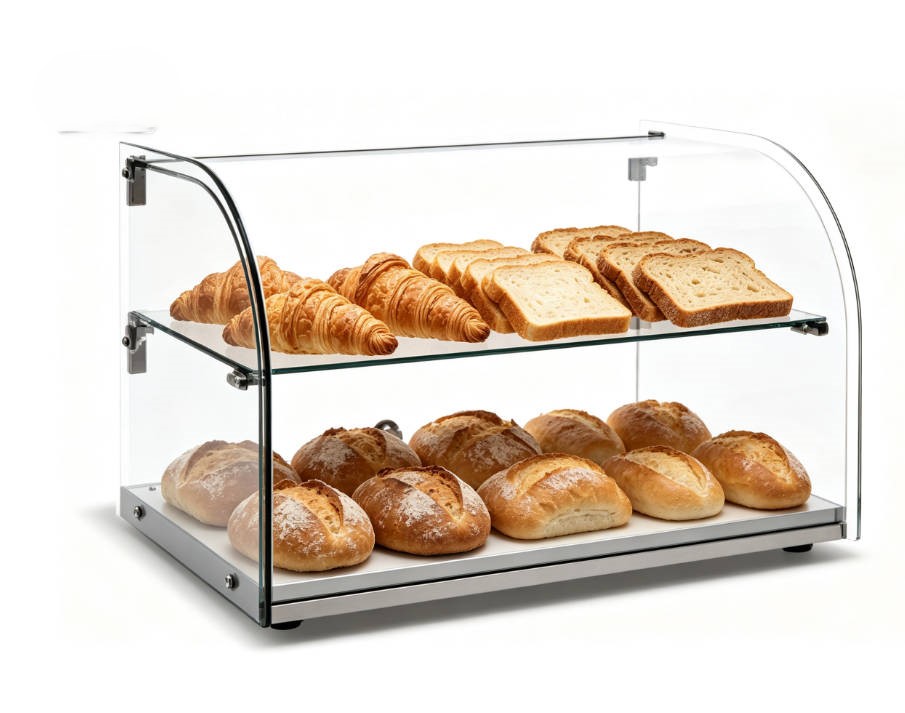
Key benefits include simple operation, easy cleanup, convenient maintenance, multi‑scene adaptability, and extensive customization options. That said, several critical points must be observed for initial startup.
I. Critical Precautions for New‑Unit Commissioning and First‑Time Use
Upon delivery and installation of a brand‑new ambient‑temperature display case, do not load products for sale right away. Follow the standardized startup procedure. This step ensures stable equipment performance, prevents odor contamination, and safeguards food safety — yet it is frequently overlooked by store operators. First, allow the unit to sit undisturbed after moving and installation. Vibration during transit may shift internal frames, ventilation assemblies, and hardware components. Stationary rest lets internal parts realign, preventing abnormal noise, poor airflow, and cabinet deformation down the line. Standard models require a 4‑8‑hour rest period. Units subjected to long‑distance or rough transportation need 12 or more hours of rest. Never power on the unit immediately after delivery.
Second, complete empty‑cabinet ventilation, cleaning, and sanitizing. Manufacturing, warehousing, and shipping leave behind board odors, glue fumes, and dust inside the cabinet. Placing bread directly inside will let baked goods absorb unwanted smells and compromise flavor. Open all glass doors and ventilation baffles, maintain good overall room airflow, and run empty‑cabinet ventilation for 24 hours. Use food‑safe cleaning practices: wipe inner shelves, glass panels, frame edges, air vents, and corner crevices with a soft, slightly damp cloth and neutral food‑grade cleaner. Follow with a fresh‑water wipe‑down to remove cleaner residue and let everything air‑dry naturally. Do not use steel wool, stiff brushes, or strong acidic / alkaline cleaners, as these scratch glass, erode cabinet panels, and damage sealing gaskets.
Finally, perform an empty‑load trial run. Once ventilation and cleaning are finished, close cabinet doors and run the unit with no contents for 2‑4 hours. Verify smooth ventilation operation, tight door closure, absence of glass fogging or condensation, no strange noises or odors, and solid structural integrity. Only after confirming zero issues may bread products be placed inside for official operation. Additionally, power supply must match rated voltage. Use a dedicated outlet with a ground‑fault circuit interrupter. Do not share power strips with high‑wattage appliances, which can trigger ventilation malfunctions and circuit aging or short‑circuits caused by unstable voltage.
II. Placement Guidelines: Avoid Fundamental Operational Hazards
Roughly 70 % of an ambient display case’s preservation performance, reliability, and service life depend on its placement. These units preserve freshness through natural ventilation and humidity regulation and are highly sensitive to temperature, humidity, light, and surrounding airflow. Poor placement leads to rapid bread spoilage and frequent equipment failures. First, keep the unit out of direct sunlight. UV rays accelerate fat oxidation in bread, causing dryness, yellowing, sour spoilage. Solar heat also raises cabinet interior temperature, throws off humidity balance, causes glass fogging, fades cabinet surfaces, and cracks sealing gaskets, hurting appearance and shortening service life. Position indoors away from windows and balcony direct‑sunlight sources.
Second, keep away from high‑heat sources and cooking fumes. Maintain a minimum 1.5‑meter clearance from ovens, proofers, microwaves, water heaters, air‑conditioner discharge vents, heating units, and other heat‑generating equipment. High surrounding temperatures disrupt internal constant‑temperature and‑humidity balance, speeding‑up moisture loss from bread. Heat also ages plastic fittings and accelerates electrical‑component wear. Do not install in kitchen work zones with heavy cooking fumes. Grease residue builds on glass, vents, and shelves, forming hard‑to‑remove film that clogs airflow, fosters mold and bacteria, and contaminates baked goods.
Third, reserve ample clearance for ventilation. Ambient‑temperature display cases are not fully sealed. Air circulates through front‑back and side vents to keep interior air fresh and prevent damp‑stagnant mold growth. Leave 10‑15 cm of open space behind and on both sides of the cabinet, plus 20 cm or more above. Never mount flush against walls, sit directly beneath ceilings, or stack items covering vents. Blocked vents trap stagnant moist air; within just a few hours bread may mold, stick together, and absorb cross‑odors.
Fourth, avoid overly‑humid locations and direct forced‑air blasts. Do not place near restrooms, damp hallways, or leak‑prone spots. Excess ambient humidity creates interior condensation, encourages mold, and corrodes metal hardware. High humidity also makes bread soggy and mold‑prone. Prevent fans or air‑conditioner airflow from blowing straight onto the cabinet. Direct strong airflow evaporates surface moisture, leaving bread dry, crumbly, and degraded in texture. Optimal operating ambient conditions: indoor temperature 18‑26 °C (64‑79 °F), relative humidity 50‑65 %.
III. Product‑Loading Standards: Prevent Spoilage and Maximize Fresh‑Keeping Performance
When bread goes stale, dries‑out, or absorbs off‑flavors within half a day in ambient display cases, equipment failure is rarely the cause — improper loading practices usually are. Core loading principles: maintain airflow, separate categories, avoid over‑crowding, rotate stock by production date, and never place hot baked goods inside. Following these standards noticeably extends bread shelf‑life.
First, never place freshly‑baked hot bread directly into the cabinet. Hot loaves release large volumes of heat and water vapor. Inside semi‑enclosed cabinets, trapped moisture condenses onto bread surfaces, shelves, and glass, feeding bacterial growth and causing sogginess and mold. Condensation also obscures glass and accelerates hardware corrosion. All baked goods must cool fully down to room temperature before display — this is the most critical rule for ambient‑temperature preservation.
Second, arrange items with proper spacing; do not over‑stack. Many operators over‑pack shelves for a fuller visual look, pressing loaves against cabinet walls and blocking vents. This is poor practice. Leave 2‑3 cm gaps between individual loaves and keep vertical space open between shelf tiers for proper air circulation. Over‑crowding traps heat and moisture; inner‑position bread easily turns moldy, while bottom‑layer loaves deform and shed crumbs, hurting sales appeal. Also keep bread from touching back panels, glass, or ventilation openings to avoid local damp‑spot spoilage.
Third, separate product categories to stop flavor cross‑contamination. Different bread types have distinct aroma and moisture profiles. Organize toast, artisanal loaves, sweet breads, savory breads, and flaky pastries in separate zones. High‑fat laminated pastries readily absorb foreign smells and should be isolated. Strong‑scallion, meat‑floss, and salty breads must be kept apart from plain, milk‑flavored, and fruit‑filled breads to prevent flavor transfer. Keep unwrapped loaves, packaged goods, and pre‑cut items physically separated to avoid cross‑contamination.
Fourth, strictly implement stock rotation and shelf‑life monitoring. Follow the rule: newer stock toward the back / lower shelves; older stock toward the front / upper shelves. Sell older production batches first to prevent expired inventory build‑up. Since ambient shelf‑life is short, routinely inspect displayed goods. Promptly remove nearing‑expiry, dried‑out, misshapen, or slightly spoiled products. Never leave expired merchandise on display. Do not return bread that has fallen, collected dust, or touched the floor to the case. Comply fully with food‑safety operating protocols.
IV. Daily Operational Prohibitions: Mitigate Safety and Quality Risks
While ambient‑temperature display cases are simple to operate, hidden misuse risks exist. Improper handling can damage hardware and create food‑safety hazards. First, refrain from frequent door opening or leaving doors wide open during business hours. Frequent opening lets outside hot air, moisture, dust, and bacteria enter, disrupting interior temperature‑humidity balance and speeding‑up bread drying and spoilage. Prolonged open‑door operation defeats constant‑humidity preservation and admits dust and insects that contaminate products. Open and close doors quickly when retrieving items and ensure full, tight closure afterward.
Second, avoid heavy‑impact or rough handling. Cabinet glass is tempered custom glass, impact‑resistant yet not shatter‑proof against harsh blows. Do not strike glass or frame edges with hard objects. Do not stand on shelves, lean against the unit, or stack heavy merchandise, raw materials, or clutter on top. Such actions deform shelves, tip the cabinet, crack glass, and break sealing assemblies. Open and close doors gently; forceful pulling loosens hinges and dislodges gaskets.
In addition, do not alter factory‑installed structure or cover functional components. Never remove ventilation baffles, filter screens, sealing gaskets, shelf clips, or other original parts. These components maintain airflow, dust‑blocking, antibacterial performance, and sealing; removing them destroys preservation capability. Do not apply stickers or films covering glass or air vents, as these impair merchandising visibility, obstruct airflow, and induce damp‑related spoilage.
Lastly, follow correct power‑down procedures. For cleaning or maintenance, complete normal shutdown, wait 3‑5 minutes, then cut main power. Abrupt power disconnection while running risks harming internal electronics. Never unplug the unit while in operation. For long‑term store closures, fully power off, empty all food items, and cover for dust protection to avoid component damage from dampness and accumulated grime while idle.
V. Regular Cleaning and Deep Maintenance: Protect Food Safety and Extend Equipment Lifespan
Cleaning and maintenance are essential for ambient‑temperature display cases. Crumbs, sugar residues, and grease from baked goods readily breed bacteria and clog air channels. Insufficient routine cleaning is a leading cause of bread mold, flavor transfer, and premature equipment aging. Establish standardized daily, weekly, and monthly maintenance workflows.
Daily cleaning: After business hours, remove all bread. Wipe shelves, cabinet interiors, and glass surfaces with a soft slightly‑damp cloth to eliminate crumbs, sugar dust, and grease. Clean door‑seal gaskets and hinge crevices to remove trapped grime. Clear dust from bottom debris trays and ventilation openings. Wipe outer glass and cabinet frames to remove fingerprints and stains for clear, attractive merchandising. Leave doors open to air‑dry fully; never seal‑up a damp cabinet overnight, as trapped moisture fuels bacterial growth. Only use neutral food‑safe cleaners. Avoid alcohol, disinfectants, bleach, or other corrosive agents that degrade panels, gaskets, and finish coatings.
Weekly deep cleaning: Take out removable shelves, ventilation filters, and crumb trays. Soak and wash them in warm water with neutral cleaner to dissolve crevice grease and dust. Rinse thoroughly and allow full air‑drying before reinstalling. Focus on normally‑hard‑to‑reach spots: cabinet corners, ventilation dead zones, and hinge gaps. Remove stubborn water spots and oil film from glass for clear visibility.
Monthly equipment maintenance: Gently vacuum dust build‑up from rear and side ventilation openings and heat‑dissipation zones to prevent airflow blockages. Inspect door‑seal gaskets for aging, warping, or detachment. If gaps allow air leakage or mold discoloration appears, clean or replace gaskets promptly. Check hinge‑screw tightness, shelf deformation, and cabinet levelness; tighten and adjust as needed. Inspect power cords, outlets, and wiring for aging or damage to eliminate electrical‑safety hazards.
Important note: All components must be fully dry before closing cabinet doors after cleaning. Enclosing damp interiors strongly promotes mold and unpleasant odors. For long‑term storage, fully clean and dry the unit, fit a dust cover, and store in a dry, well‑ventilated space to prevent dust and moisture‑related damage.
VI. Anticipate Common Malfunctions to Lower Operational Losses
Most ambient‑display‑case faults stem from improper use or poor maintenance. Early detection and timely intervention cut repair costs and operational waste.
1. Foggy, condensation‑covered interior glass. Usual triggers: excessive ambient humidity, loading hot bread, poorly‑sealed doors, or clogged vents. Mitigation: ban hot‑product loading, clear vent dust, ensure tight door sealing, lower store‑room humidity, and ventilate premises periodically.
2. Frequent bread mold, spoilage, and flavor cross‑contamination. Root causes: inadequate cleaning allowing sugar‑grease‑fed bacteria, over‑crowded loading limiting airflow, poor stock rotation, or persistently‑damp surroundings. Remedies: strengthen daily sanitation, enforce proper loading spacing, strictly manage shelf‑life, and maintain cabinet ventilation.
3. Unpleasant or moldy cabinet odors. Typically from grime trapped in crevices, prolonged damp‑closed conditions, or mold‑clogged filters. Perform regular deep cleaning of hard‑to‑reach areas, replace degraded gaskets, wash ventilation filters, and keep cabinets dry and ventilated.
4. Poor‑sealing, leaky doors. Caused by gasket aging‑deformation, loose hinges, or misaligned shelves pressing against doors. Inspect and adjust monthly; retighten screws and swap‑out worn gaskets to preserve sealing performance.
VII. Core Summary for Food‑Safety and Long‑Term Operation
The core value of ambient‑temperature display cases is balancing bread texture, visual appeal, and food safety under room‑temperature conditions. Unlike cooling or heating equipment, successful operation hinges on “managing surroundings, prioritizing proper loading, consistent maintenance, and following established protocols.” Many bakery operators mistakenly believe ambient cabinets need minimal care and can be placed arbitrarily, which results in high product waste, frequent breakdowns, and non‑compliant food‑safety conditions.
Correct use of ambient‑temperature display cases preserves bread softness, improves in‑store merchandising aesthetics, cuts product discard losses, and helps meet food‑sanitation standards to reduce business‑liability risks. Standardized operation and maintenance can extend equipment service life by 3‑5 years, greatly lowering store‑level capital‑purchase and repair expenses. For bakeries, these display cases are more than merchandising fixtures — they represent food‑safety safeguards and brand‑image carriers. Adhering to usage guidelines, sustaining regular cleaning‑maintenance, and avoiding operational missteps enables stable equipment performance, consistent product freshness, and profitable store‑level operations.